


 Send Inquiry
 Send Inquiry
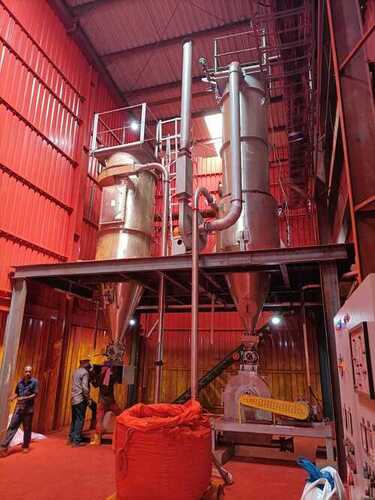
Pneumatic Powder Conveying System
Price 500000 INR/ Unit
Pneumatic Powder Conveying System Specification
- Usage
- Industrial
- Material
- Mild Steel
- Product Type
- Pneumatic Powder Conveying System
- Color
- Silver
- Voltage
- 220-440 Volt (v)
- Warranty
- 1 Year
Pneumatic Powder Conveying System Trade Information
- Minimum Order Quantity
- 1 Unit
- Supply Ability
- 10 Units Per Month
- Delivery Time
- 10 Days
- Main Export Market(s)
- Middle East, Africa, North America, Asia, South America, Eastern Europe, Central America, Western Europe, Australia
- Main Domestic Market
- All India
About Pneumatic Powder Conveying System
A Pneumatic Powder Conveying System is a particular sort of material taking care of system used to ship powdered or granular materials through a pipeline involving compacted air or gas as the conveying medium. This system is generally utilized in different businesses, including food handling, drugs, synthetics, plastics, and that's just the beginning, to effectively and securely move mass powders starting with one area then onto the next.
Benefits of Pneumatic Powder Conveying System:
- Sans dust Conveying: The encased system limits dust discharges during transportation.
- Adaptable Steering: Lines can be directed evenly, in an upward direction, or slantingly to fit space imperatives.
- Productive: Appropriate for significant distance conveying and various release focuses.
- Limited Material Debasement: Delicate conveying process diminishes material breakage.
FAQs of Pneumatic Powder Conveying System:
Q: What is a Pneumatic Powder Conveying System?
Q: How does a Pneumatic Powder Conveying System work?
Q: What sorts of materials can be shipped utilizing a Pneumatic Powder Conveying System?
Q: How would I pick the right Pneumatic Powder Conveying System for my necessities?
Efficient Bulk Powder Transfer
This pneumatic conveying system streamlines the movement of powders and granules in industrial environments. With a focus on minimizing product loss and contamination, it guarantees clean, consistent, and safe transfer throughout your facility. The sturdy mild steel build and advanced engineering reduce maintenance needs while enhancing system longevity.
Trusted Manufacturing and Export Expertise
As a leading manufacturer, exporter, service provider, and supplier based in India, we ensure every unit meets rigorous quality standards. Our team supports customers from installation through after-sales service, so you experience uninterrupted productivity. Whether for new projects or retrofitting existing setups, our pneumatic systems are tailored for your operational demands.
FAQ's of Pneumatic Powder Conveying System:
Q: How does the pneumatic powder conveying system work?
A: The system uses air flow to transport powders and granules through pipes from one point to another within your facility. This minimizes manual handling, increases safety, and ensures dust-free transfer, making it ideal for a wide range of industrial applications.Q: What materials can be conveyed using this system?
A: It is suitable for conveying dry powders and granulated materials commonly used in industries such as food processing, pharmaceuticals, cement, chemicals, and plastics. The mild steel construction provides durability in handling abrasive or non-abrasive powders.Q: Where is this system typically installed?
A: The pneumatic powder conveying system is typically installed in industrial plants where efficient and reliable powder movement is required-such as manufacturing units, warehouses, or processing facilities. Our team offers installation and service support across India and for export markets.Q: What are the main benefits of using a pneumatic conveying system?
A: This system offers cleaner operations by reducing spillage and dust, enhances workplace safety, improves material handling efficiency, and simplifies maintenance. It also scales easily with your operational needs and occupies minimal floor space.Q: When should I consider using a pneumatic conveying system?
A: Consider this system when you need to transfer bulk powders or granules over short or long distances, want to improve your facility's cleanliness and safety, or wish to automate and scale up your production lines for greater throughput.Q: What voltage and warranty are provided with the system?
A: The system operates efficiently on a voltage range of 220-440 volts, making it adaptable to various industrial power supplies. We provide a one-year standard warranty to ensure dependable performance and peace of mind for our clients.Q: Who do I contact for supply, service, or export inquiries?
A: As both the manufacturer and exporter, we are your direct point of contact. Our Indian headquarters coordinates national and international sales, installation, and after-sales services. Please reach out to our customer service team for detailed support and quotations.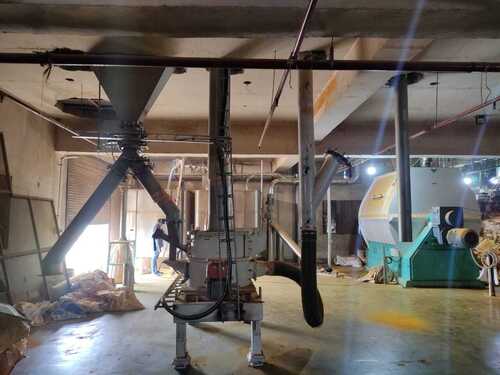

Price:
- 50
- 100
- 200
- 250
- 500
- 1000+

More Products in Pneumatic Conveying System Category
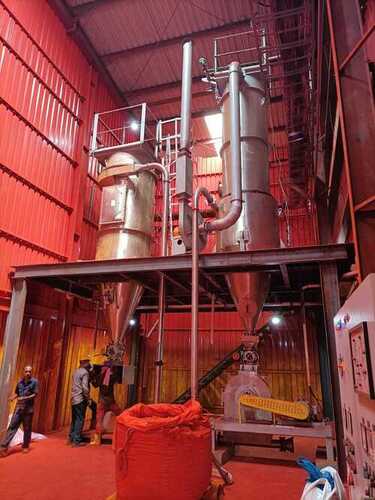
Weighing and Batching System
Price 800000 INR / Unit
Minimum Order Quantity : 1 Unit
Warranty : 1 Year
Material : Mild Steel
Color : Silver
Product Type : Weighing and Batching System
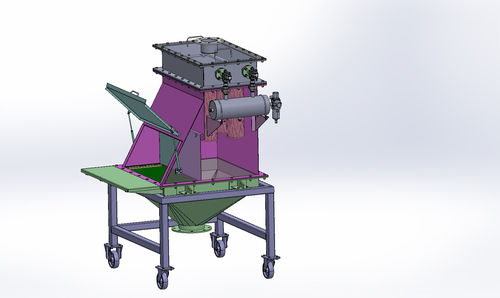
Bag Dump Station System
Price 300000 INR / Unit
Minimum Order Quantity : 1 Unit
Warranty : 1 Year
Material : Mild Steel
Color : Silver
Product Type : Bag Dump Station System
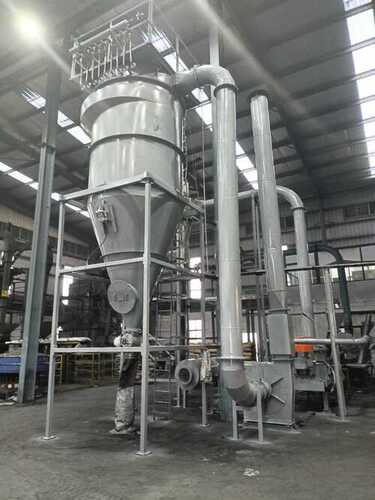
Lean Phase Vacuum Conveying System
Price 500000 INR / Unit
Minimum Order Quantity : 1 Unit
Warranty : 1 Year
Material : Mild Steel
Color : Silver
Product Type : Lean Phase Vacuum Conveying System
Pressure Conveying System
Price 500000 INR / Unit
Minimum Order Quantity : 1 Unit
Warranty : 1 Year
Material : Mild Steel
Color : Silver
Product Type : Pressure Conveying System

Developed and Managed by Infocom Network Private Limited.

